


Introduction
Behind many elevator brands, the real manufacturing muscle now sits inside specialized Chinese factories that produce key systems at enormous scale. This article examines how a company with a workforce comparable to major listed industry players has become the world's largest elevator contract manufacturer, supplying everything from installation-related assemblies to control panels for global customers. You will see how the factory model works, why multinational elevator companies rely on it, and what its rise says about cost, quality, and the changing structure of the global elevator supply chain.
Suzhou Elevator Factory Model
We are currently witnessing a monumental shift in the global industrial landscape, highlighted by the emergence of massive contract manufacturers. Benchmarking against industry stalwarts like Shanghai Mechanical and Electrical-which boasts a workforce exceeding 3,000 employees-reveals the birth of a new titan in the elevator sector. This company has effectively become the world's largest elevator contract manufacturer, redefining global supply chains and setting new benchmarks for production scale.
Define Contract Manufacturing
In our industry, contract manufacturing has evolved far beyond simple assembly. We regularly observe top executives from multinational elevator corporations-such as Otis, ThyssenKrupp, and Hitachi-visiting these top-tier Chinese facilities for rigorous inspections and strategic guidance. The cooperation is no longer limited to domestic business; this factory supplies these global giants worldwide.
A widely accepted global consensus acknowledges that Chinese elevator components offer exceptional quality and cost-effectiveness. In fact, many critical components, from intricate control boards to the standard user interface panel, are manufactured in China, even if they ultimately bear a "Made in Japan" or "Made in USA" label. The sheer volume and precision required to maintain this output have cemented this factory's status as an indispensable node in the global supply network.
Financing And Expansion Path
The financing and expansion path of this enterprise reveals a complex web of strategic maneuvers. Industry speculation suggests this massive operation might be a strategic layout by Wang Shuifu of the Xizi Elevator Group, potentially collaborating with Zheng Peiming, a former global vice president of Otis. This rumored alliance would theoretically bypass previous non-compete agreements, allowing the creation of a specialized manufacturing powerhouse capable of handling minimum order quantities (MOQs) exceeding 10,000 units annually.
While equity penetration analysis shows no direct financial link between the company and these individuals, the aggressive expansion strategy clearly points toward a highly capitalized future. The strategic scaling of production lines and relentless pursuit of global contracts suggest a clear pathway toward a future public offering, potentially targeting the New York Stock Exchange or Hong Kong with a valuation target north of $2 billion.
How To Evaluate The Factory Model
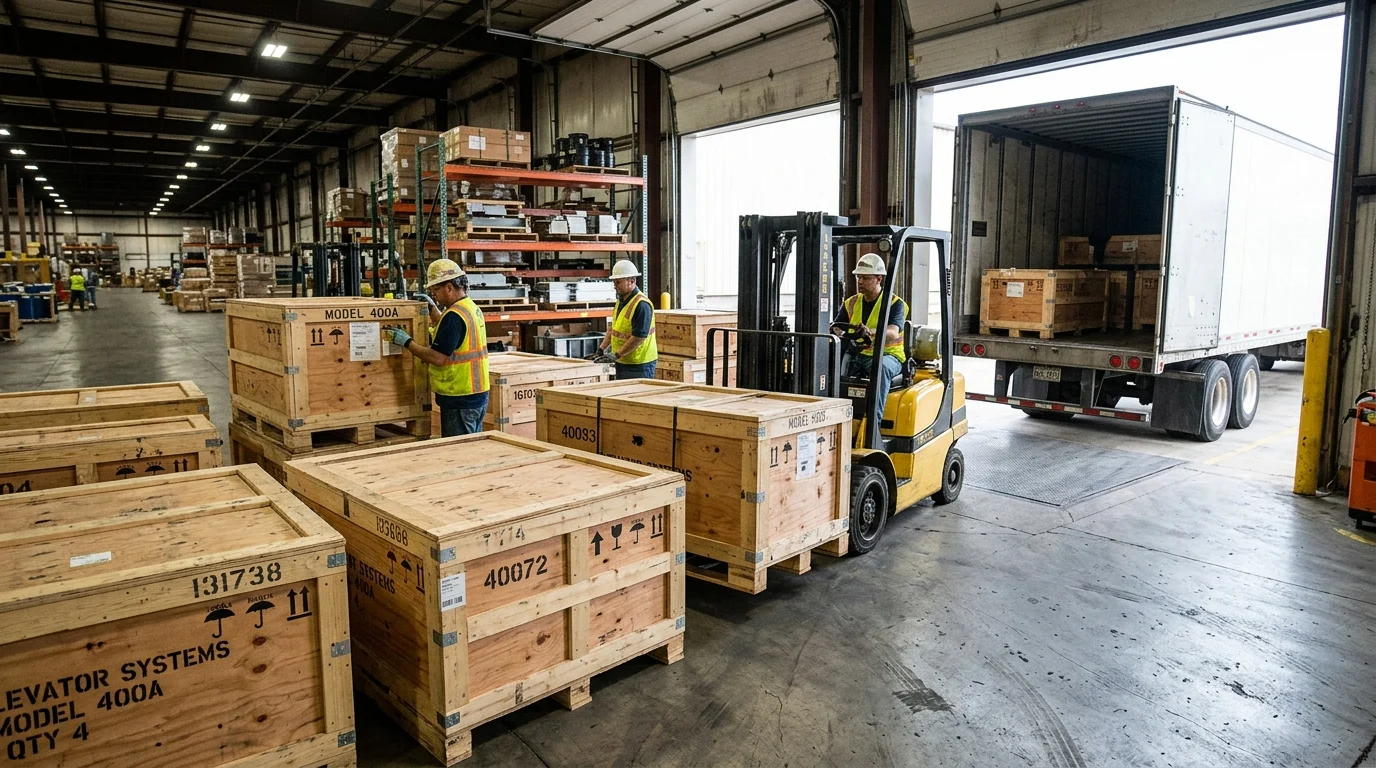
When we evaluate the viability of this mega-factory model, we must analyze the operational efficiencies it brings to the global market. The transition from vertically integrated production to specialized contract manufacturing requires rigorous assessment of both capital expenditure and quality control.
Compare With Building In House
Comparing outsourced manufacturing with building in-house facilities reveals stark financial and operational contrasts. Constructing a new, state-of-the-art elevator production facility typically requires an initial capital expenditure ranging from $50 million to $150 million, alongside an 18 to 24-month lead time before the first unit is successfully produced and tested. By utilizing an established contract manufacturer, a multinational company can bypass these massive upfront costs and dramatically reduce time-to-market.
| Metric | In-House Production | Contract Factory Model |
|---|---|---|
| Initial Capital Expenditure | $50M - $150M | Minimal (Tooling/Setup only) |
| Production Lead Time | 18 - 24 months | 3 - 6 months |
| Defect Rate Target | < 100 PPM | < 50 PPM |
| Scalability / MOQ Flexibility | Low | High (up to 50,000 units/yr) |
This dynamic allows brands to focus their capital on research, development, and market expansion rather than tying up cash flow in heavy physical assets.
Factory Capabilities And Standards
To serve multinational clients, the factory capabilities and standards must be world-class. We note that these facilities operate under stringent ISO 9001 and CE certifications, ensuring every component meets rigorous global safety codes. The manufacturing precision for critical parts, such as the electronic control panel and the heavy-duty traction machines, must maintain a defect rate strictly below 50 parts per million (PPM).
By standardizing these high-quality components, the factory ensures that field technicians can seamlessly install the elevators in any country without compatibility issues. This standardized excellence drastically reduces on-site labor hours and long-term maintenance liabilities, proving that the contract model can match or exceed legacy in-house quality.
How To Assess The Next Stage
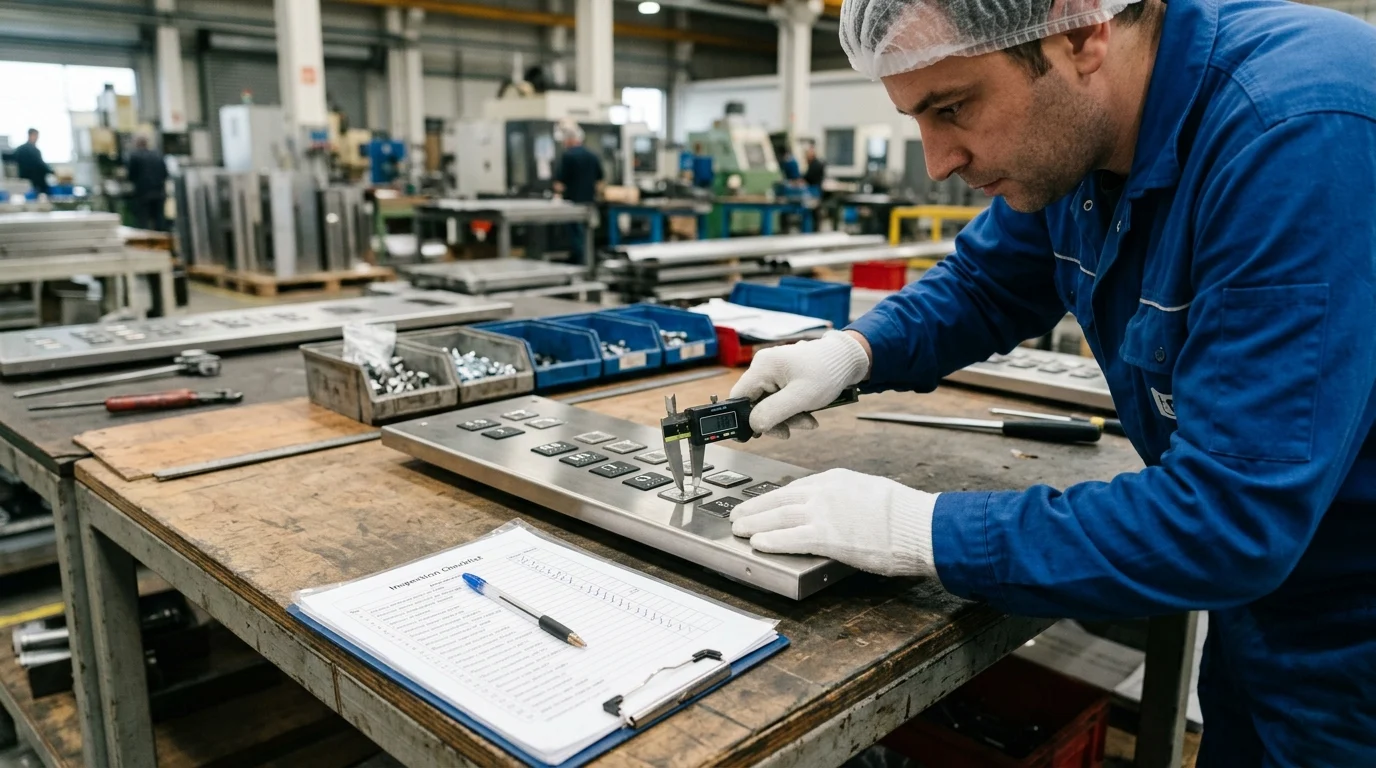
As we assess the next stage of evolution for the Chinese elevator manufacturing sector, we must acknowledge current market realities. While the contract manufacturing model has achieved unprecedented scale, domestic brands still face an uphill battle in the global arena.
Steps For Buyers And Partners
For buyers and partners, the immediate steps involve integrating these advanced manufacturing hubs into their core supply chains. Currently, no independent Chinese elevator brand poses a direct threat to the global dominance of legacy companies like Otis, Schindler, or Mitsubishi. To put this in perspective, the highest-grossing Chinese market player, Xizi Elevator, generates roughly $1.4 billion in global revenue. In stark contrast, Otis commands an annual revenue exceeding $14 billion.
Therefore, partners must leverage the factory model to incrementally elevate the manufacturing quality and standards of all elevator components. By utilizing these hubs to supply global giants across any jurisdiction, buyers can guarantee top-tier performance while supporting the broader maturation of the supply chain.
Guidance For Future Brand Expansion
Looking ahead, the guidance for future brand expansion is remarkably promising. By building a foundation as a premier contract manufacturer, this company is comprehensively improving the overall strength of Chinese elevator manufacturing. If this enterprise eventually decides to launch its own independent elevator brand, the effort will yield outsized results with significantly less friction.
We anticipate a trajectory similar to BYD in the automotive sector-starting as a highly efficient component supplier and evolving into a dominant global brand. The mastery of complex manufacturing, from precision machining to the final panel assembly, provides an unbeatable competitive moat. Regardless of the underlying capital structure, we celebrate this manufacturing success and eagerly anticipate their potential IPO, which will undoubtedly mark a new era for the industry.
Key Takeaways
The most important conclusions and rationale for elevator, factory, company,install, panel
Specs, compliance, and risk checks worth validating before you commit
Practical next steps and caveats readers can apply immediately
Frequently Asked Questions
What does the world's largest elevator contract manufacturer mainly produce?
It typically makes complete elevator systems and key parts such as control panels, boards, traction machines, and standardized installation-ready components.
Why do global elevator brands use contract factories in China?
They gain lower capital costs, faster production startup, and reliable component quality without building a new factory from scratch.
How quickly can a contract elevator factory start production?
A mature contract factory can usually launch production in about 3 to 6 months, depending on tooling, certification, and order scope.
What quality standards should an elevator factory meet?
Look for ISO 9001, CE compliance where needed, strict process control, and a defect target below 50 PPM for critical parts like panels and control boards.
How does standardized panel design help elevator installation?
Standardized panels improve compatibility, shorten on-site wiring and setup time, and make future maintenance easier for technicians across different markets.